
Sep
Reading Resources
Creating a Bedtime Reading Routine That Really Works
A calm, repeatable story ritual can turn the end of the day from a negotiation into a moment of connection. The goal is not a perfect bedtime or a long reading session. It is a familiar sequence that helps your child feel safe, settled, and ready for sleep.
The simplest version: choose a time, dim the room, offer two suitable books, read together, and finish with the same small goodnight cue. Keep the pattern steady enough to become familiar, but flexible enough to survive real family life.
Why the routine matters more than the number of pages
Children often find transitions difficult, especially when they are tired. A bedtime routine gives the evening a clear shape. When the same steps happen in roughly the same order, your child does not need to keep guessing what comes next or continue testing whether bedtime has really begun.
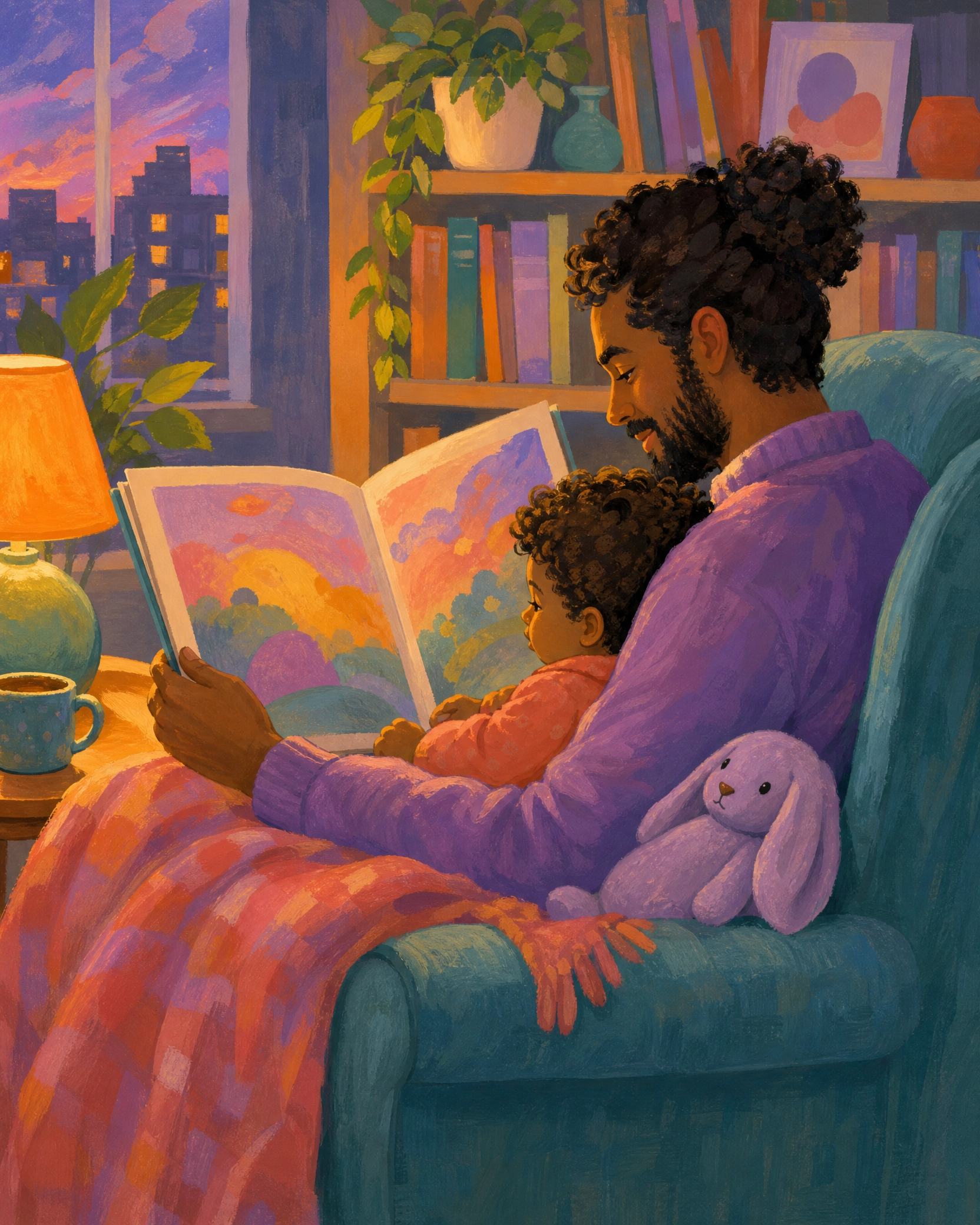
Reading is particularly useful because it combines several calming signals at once: close physical proximity, a slower adult voice, shared attention, and a clear beginning and ending. Over time, those signals can become associated with winding down. The story is not a magic switch, and it will not remove every bedtime challenge, but it can provide a reliable bridge between a busy day and sleep.
Build the routine around a few dependable anchors
A successful routine does not need to contain ten separate steps. Choose three or four anchors that are realistic for your household and repeat them in the same order. For example:
Prepare: Put on pajamas, brush teeth, offer water, and ready the bedroom before reading. This prevents practical requests from interrupting the story.
Choose: Let your child select one book from two pre-approved options. This offers appropriate control without reopening the whole evening.
Read: Read in the same comfortable place with low lighting and few distractions. This creates a consistent sensory cue for slowing down.
Close: Use a repeated final phrase, cuddle, song, or quiet breathing moment. A predictable ending makes the transition to lights-out clearer.
Think in terms of rhythm rather than a strict timetable. A routine can begin at different times on different nights while keeping the same sequence. That distinction matters: consistency is valuable, but rigidity can create more stress for everyone.
Choose books that support winding down
Bedtime is usually the wrong moment for a book that demands speed, competition, or intense participation. Save the loudest voices, most suspenseful plots, and most stimulating novelty for earlier in the day. At night, look for books that leave room for your child’s attention to settle.
Good bedtime choices
- Rhythmic or repetitive language that becomes familiar.
- Illustrations with a gentle pace and enough detail to enjoy without hunting for surprises.
- Stories with a reassuring emotional landing.
- Books short enough to finish without creating pressure.
- Favourites your child can revisit when tired.
Books to use thoughtfully
- Stories ending on a cliffhanger or with a frightening image.
- Highly interactive books with flaps, sound buttons, or competition.
- Books that regularly trigger a new question, request, or burst of energy.
- Long chapter books when your child is already struggling to stay awake.
- Anything you dislike reading aloud; your tone matters too.
Let your child choose between two or three books that you have already decided are suitable. This small boundary gives them agency while keeping the routine moving. Re-reading the same story is not a failure of imagination. Familiarity can be exactly what makes a book comforting.
Make the reading space feel different from the rest of the evening
You do not need a special reading nook or expensive equipment. A few deliberate changes are enough. Lower the lights, put phones out of reach, and settle in before opening the book. If the room is shared, use the quietest corner available. If your child is easily distracted, keep toys and screens outside the immediate reading space.
Position yourselves so that both of you can see the pages. You can read with expression without turning the session into a performance. A warm, unhurried voice is often more settling than an elaborate character voice. Pause when your child wants to look closely, but avoid adding so many questions that the story becomes another task.
Use the five-minute version on difficult nights
Busy evenings are part of family life. A routine that only works when everyone has plenty of time is not a dependable routine. Create a shorter version in advance so that tiredness does not force an all-or-nothing decision.
Five-minute plan: sit together, read a poem or three pages, name one favourite moment, then use your usual goodnight phrase. The aim is to protect the connection and the pattern, not to complete a target number of pages.
If you cannot read aloud, an audiobook can be a reasonable backup when used intentionally. Listen together rather than handing over a device and leaving the room. Keep the volume low, choose a calm recording, and end with the same personal goodnight cue you use after reading. The relationship remains the centre of the ritual.
What to do when bedtime turns into negotiation
Children may ask for another book, another drink, another question, or a different parent. These requests are often signs of tiredness, a wish for connection, or a desire to delay the transition. Respond warmly, but keep the boundary brief and predictable.
When your child says “One more book!”
“You may choose one of these two. After that, we will close the book and say goodnight.”
When your child says “I’m not tired.”
“You do not have to fall asleep yet. Your job is to rest your body while we follow the bedtime routine.”
When your child says “I need water.”
“Here is your bedtime cup. We will take care of drinks before the story begins.”
When your child says “Read it again!”
“We can read the last page once more, then the story is finished for tonight.”
Try not to turn the boundary into a debate. Acknowledge the feeling, repeat the limit, and follow through calmly. If the routine repeatedly breaks down at the same point, adjust the routine rather than simply adding firmer instructions. The difficult step may be happening too late, lasting too long, or offering too many choices.
Adapt the ritual as your child grows
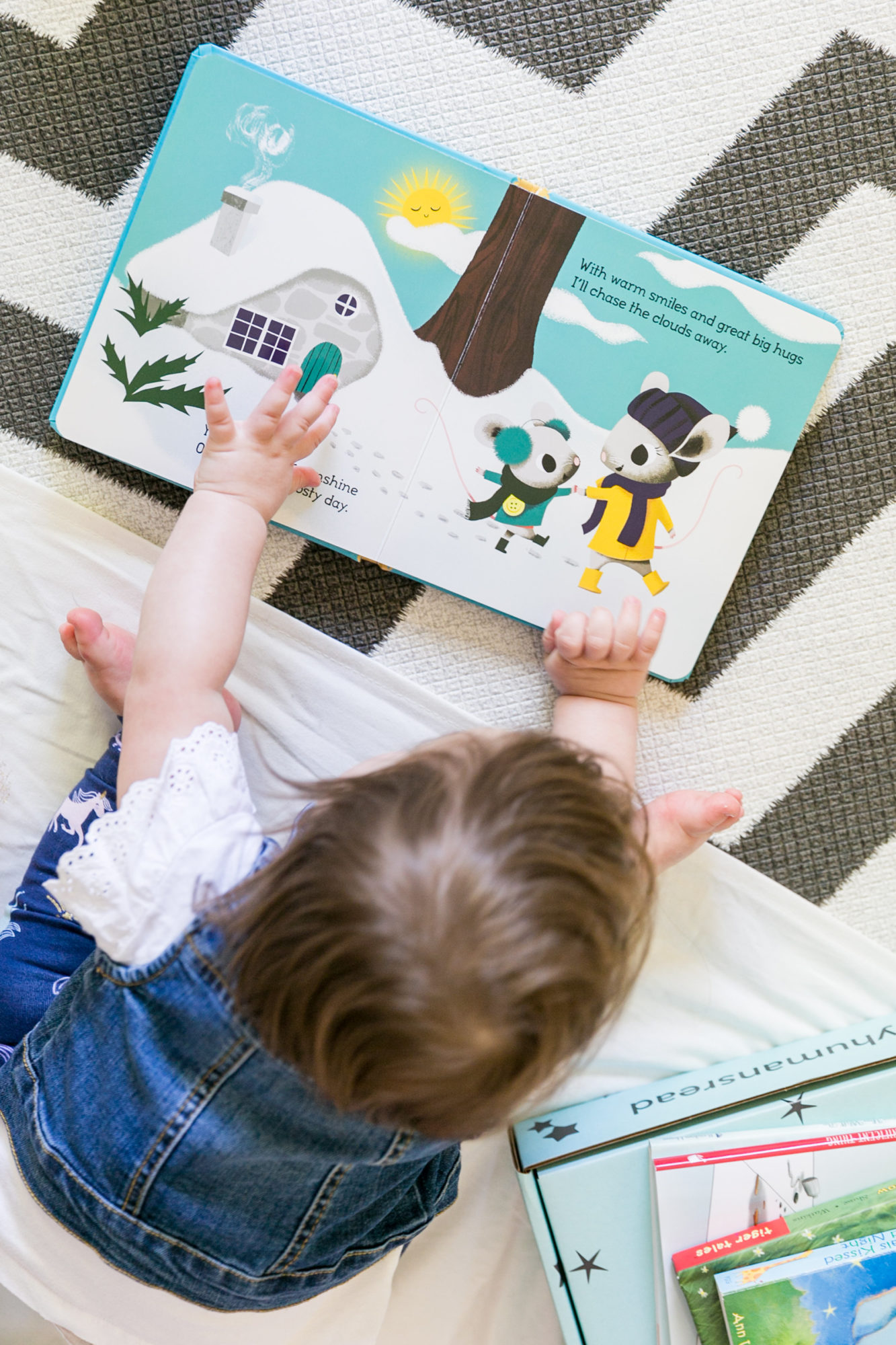
The best bedtime reading routine changes with your child’s age, attention, and interests. A toddler may need a short board book and lots of repetition. A preschooler may enjoy choosing a theme or predicting what happens next. An early reader may want to share the reading, listen to a chapter, or alternate pages with you.
Younger children
Use short books, repetition, cuddling, and a clearly repeated closing cue.
Preschool years
Offer two-book choices, gentle participation, and stories that name everyday feelings.
Independent readers
Balance shared reading with solo reading, using a short check-in rather than a page quota.
Older children
Try chapter books, alternating pages, and protected screen-free time to decompress.
Reading aloud does not become unnecessary once a child can read independently. Shared reading continues to offer vocabulary, conversation, humour, and closeness. You can protect the ritual by shortening it, changing the format, or taking turns choosing the book.
Protect the meaning of story time
Let reading remain a positive part of the day. Avoid removing it as a punishment, using it as a reward that must be earned, or turning it into a test of comprehension. You can set limits on behaviour while still preserving the invitation to reconnect: “We are going to pause the book until your body is safe. We can try again when you are ready.”
The long-term success of a bedtime routine is measured less by perfect compliance than by the feeling it leaves behind. Your child should gradually learn that bedtime is a dependable time for care, not a nightly contest. Some evenings will be smooth. Some will be hurried. The routine earns its value by giving both of you a way to return to calm.
Happy Reading!


Get more Activities
Join our VIP mailing list for new printables and activities in your email!